Coming from Minnesota, I love a good lake. It’s hard to beat jumping into the water on a warm summer day, relaxing along the dock during a calm sunset, or watching a storm roll in across the choppy waves. Perhaps the one natural setting that rivals that perfect body of water, in my eyes, is the mountains. Perhaps because my home state lacks them, the soaring peaks and verdant valleys always represented a unique treat whenever they could be enjoyed, and I fondly remember family trips out West where the very air – crisp and refreshing – was different. Lucky for me, the Andes stretch the entire South American continent and will be our on-and-off home for the better part of the next two years. We got our first of many tastes of the range over the past couple of weeks, and our time, somehow, exceeded our already sky-high expectations.
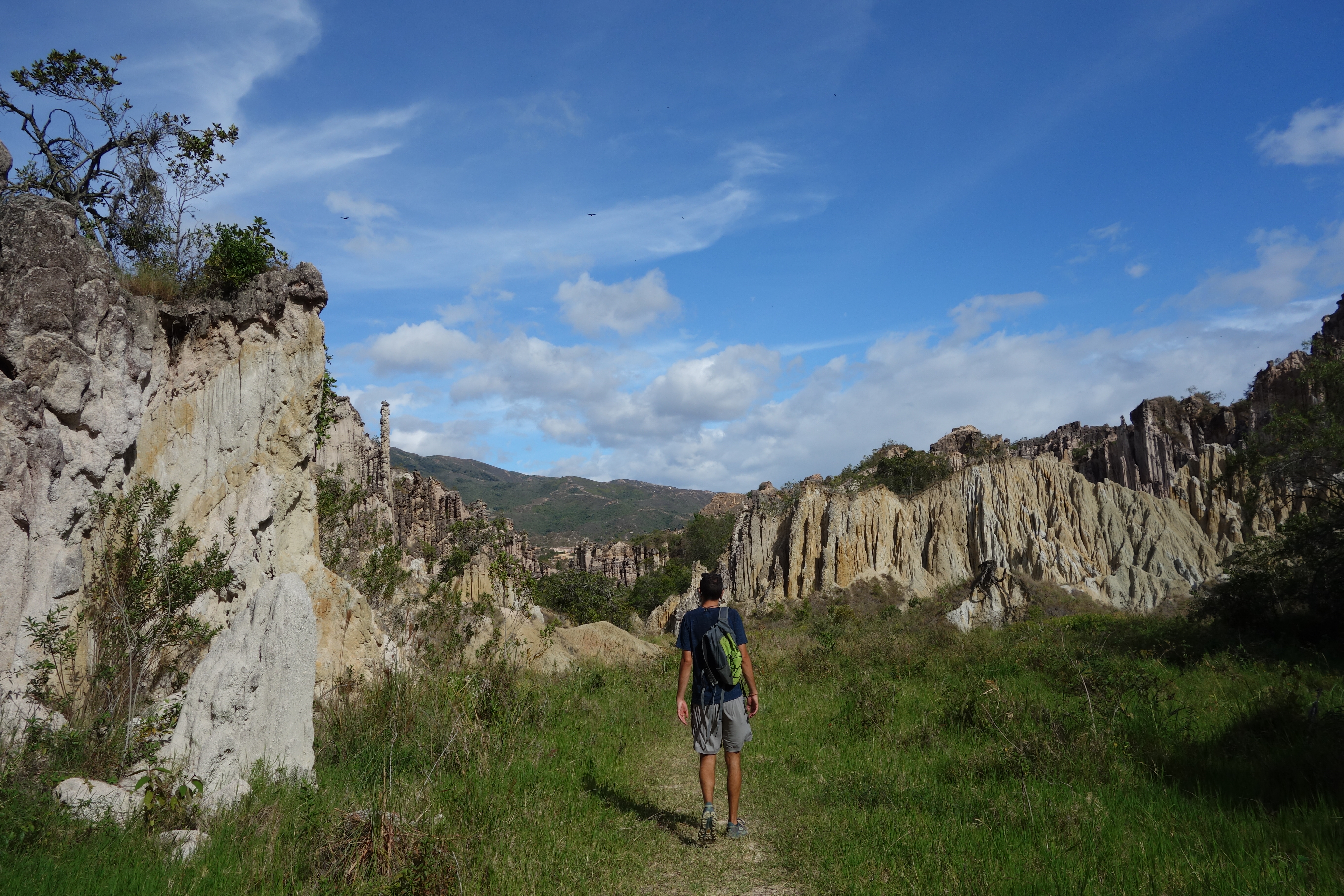
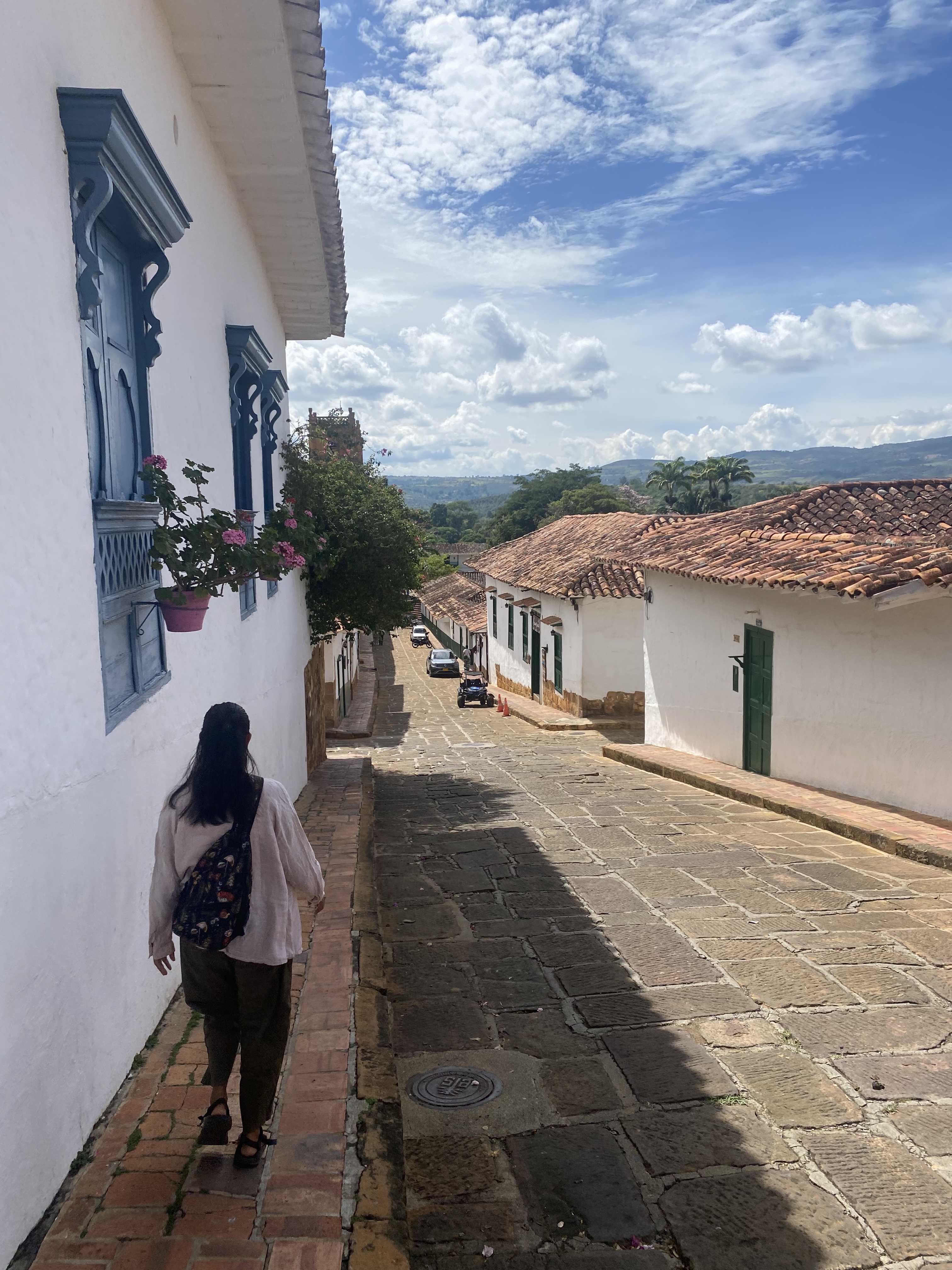
The journey started with a day and a half of driving. To get to the Andes from Minca, we had to cross the incredibly hot plains of northern Colombia. Thankfully, V and I are pretty used to long road trips, so we threw on some podcasts, cranked the AC, and laid down some miles, slowing only when we passed through Aguachica right as Colombia was eliminated from the World Cup and the streets were flooded by dejected fans returning home. We arrived the next day in La Playa de Belen, a small town of picturesque white-washed homes with rust-colored shingles and home to Los Estoraques National Park. The beautiful sandstone layers laid bare by millions of years of erosion offered a stunning array of colors in the afternoon light. Narrow passageways that could barely be squeezed through would open to reveal sandy rooms with sunlight reflecting down the forty-foot-high walls (the inspiration for the design of Bruno’s room in Encanto). Entirely unique in Colombia, the only place that is even closely analogous in my mind is the Badlands in South Dakota. A spectacular first hike for the start of our time in the mountains.
We came for the park, but stayed for the people. As it often does, our van attracted lots of looks when we parked near the edge of town, and several friendly folks would ask us about our travels or give us recommendations while we were out. We also got our very first unprompted solicitors in the form of a pair of precocious and highly personable seven-year-old girls. First intrigued by the bikes on the front of our car, they soon worked up the courage to knock on our door to determine who was crazy enough to travel this way. Unafraid to be confronted by two gringos and a loud dog, they soon were asking us all sorts of travel-related questions and teaching us Spanish as we did the same in English. Unabashedly, our new friends stopped by several times a day, taking turns quizzing us, memeing Vrinda (six-seven), and inviting us to a neighborhood game of tag with their friends. We’ve made many wonderful friends on this journey, but leaving town a couple of days later was one of the hardest goodbyes we’ve had yet.
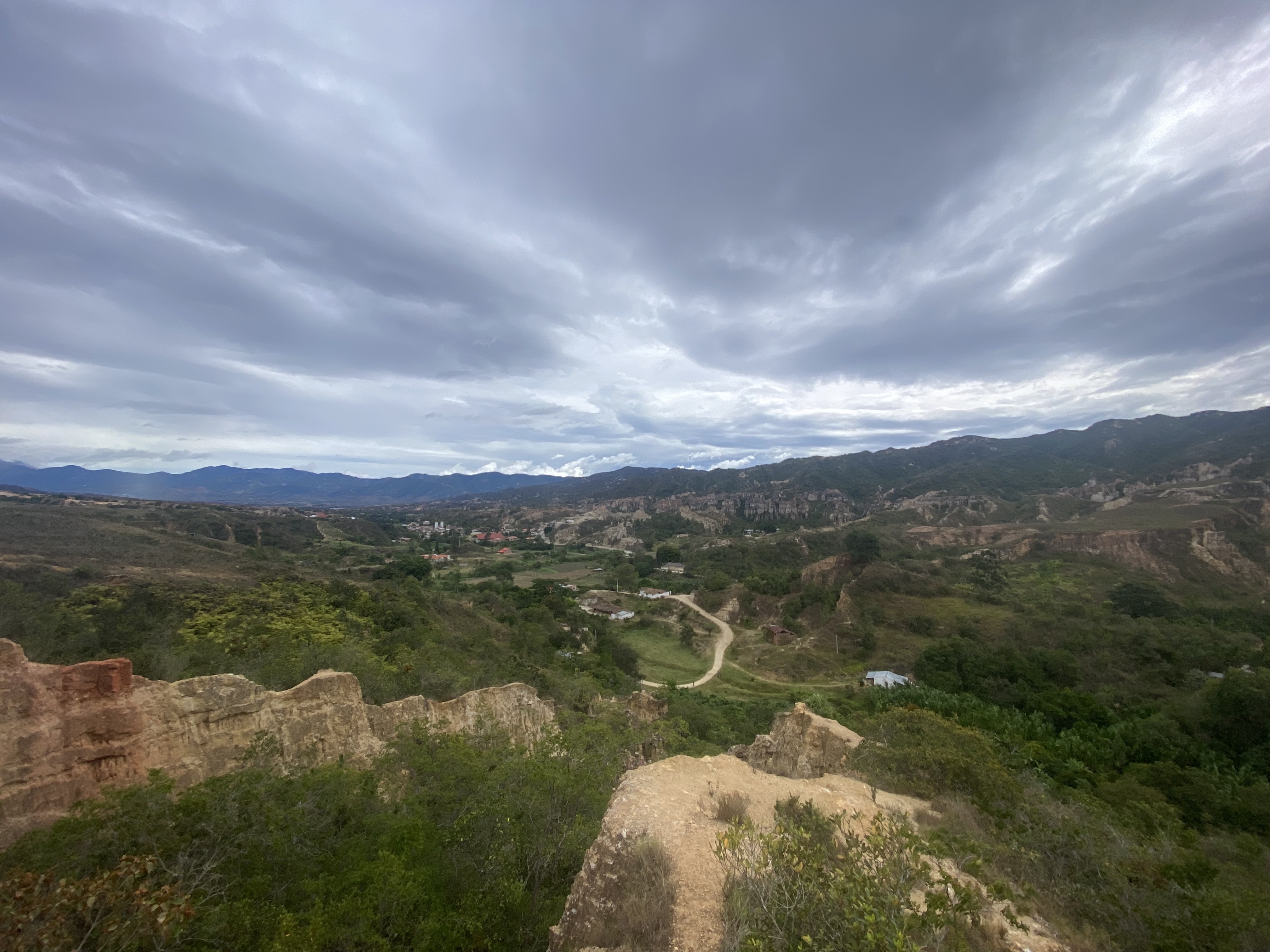
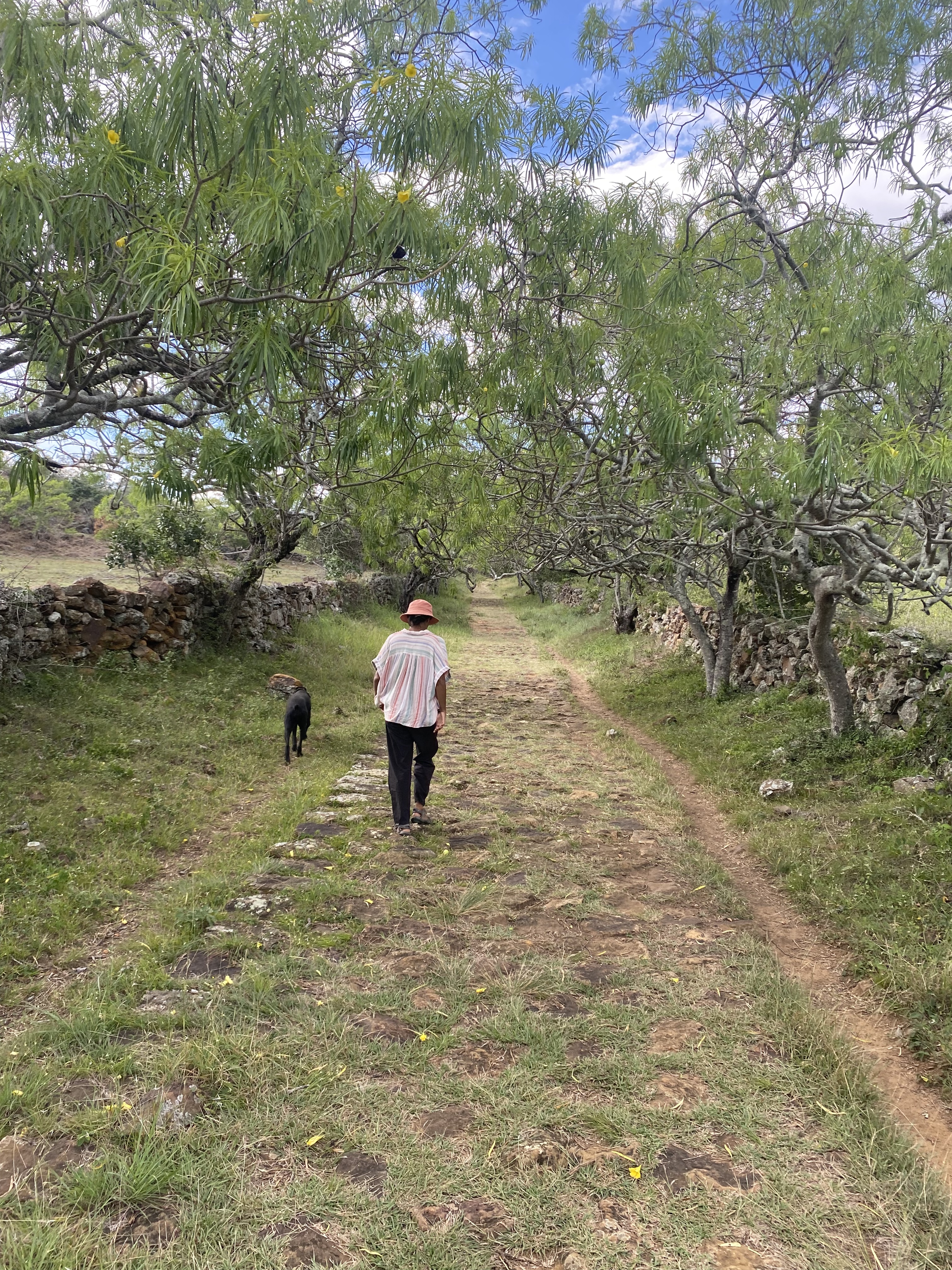
Our next stop was Barrichara, a charming colonial town with its fair share of tourists and home to one of our favorite coffee shops yet; the blueberry coffee from Buragua Cafe was the perfect blend of sweet and creamy and bitter, and we returned several times to get some work done in their colorful courtyard. One afternoon we hiked part of the Camino Real, one of a network of trails connecting the neighboring mountain towns of the region and whose origins predate the arrival of Europeans. Vrinda was even gracious enough to delay our exit by a day so that I could watch the World Cup semifinals in the town square. In the evenings, we would return to our home to take in the stunning sunset behind the towering mountains across the valley.
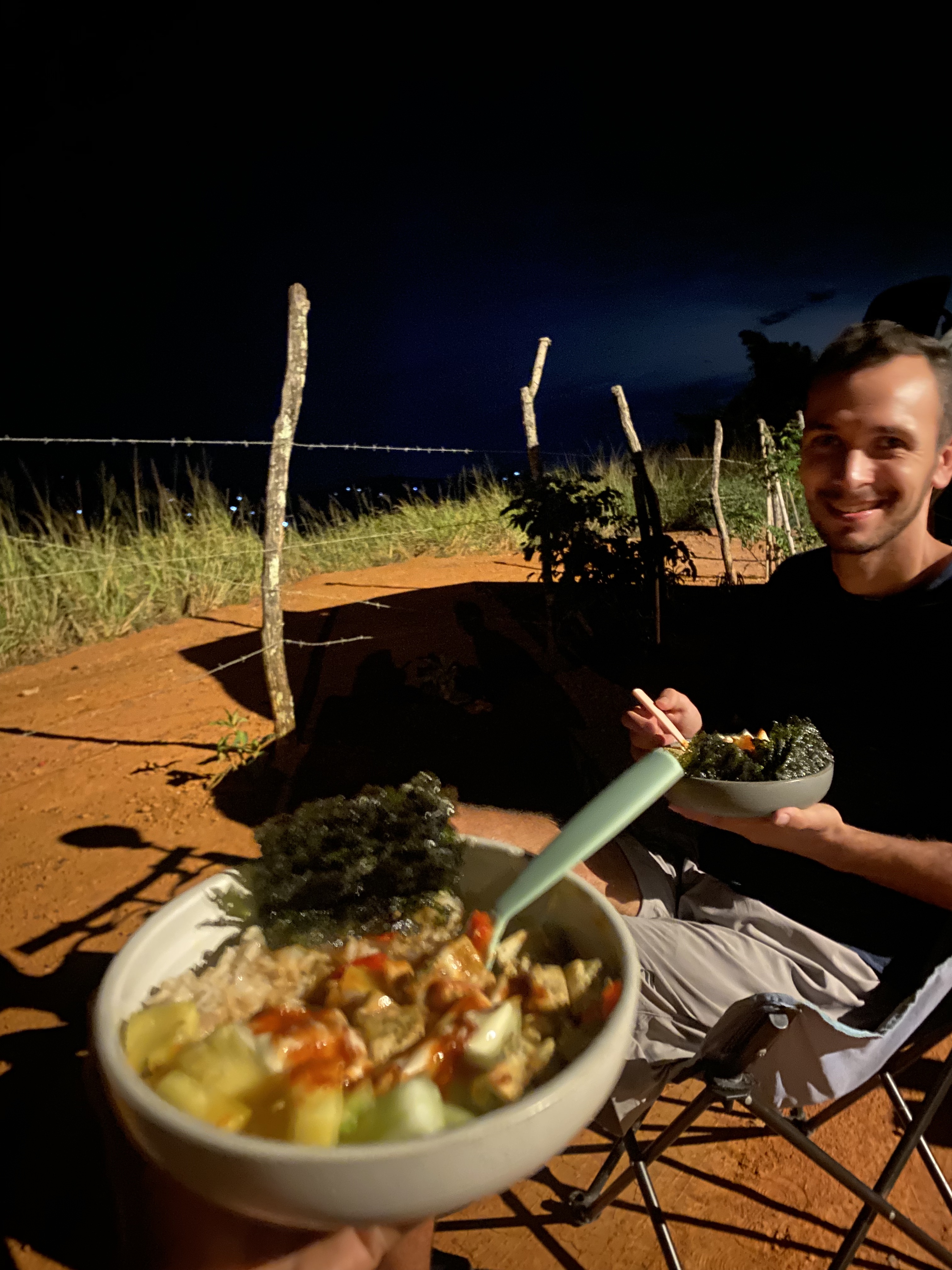
My partner is big on birthdays, and for my 30th she wanted to make sure that I was doing what I truly loved: hiking long and steep monstrosities that would take the better part of a day to complete and leave me completely wiped afterwards! El Cocuy National Park promised just that, although it took nearly two days to get there as we traversed extremely rudimentary mountain roads. In a bit of good fortune, we made our overnight stop at a mountain lookout where we met another overlander (K) who turned out to be the container buddy of friends of our container buddies! (Maybe that makes us container cousins? Still haven’t quite figured that one out yet.) She was also planning to hike in the national park, so we gladly agreed to join forces to split the cost of the (required) guide and offer me company, as Vrinda already had enough of my summiting kick (and, more seriously, was not optimistic her body would make it to the nearly 16,000-foot summit due to altitude sickness).
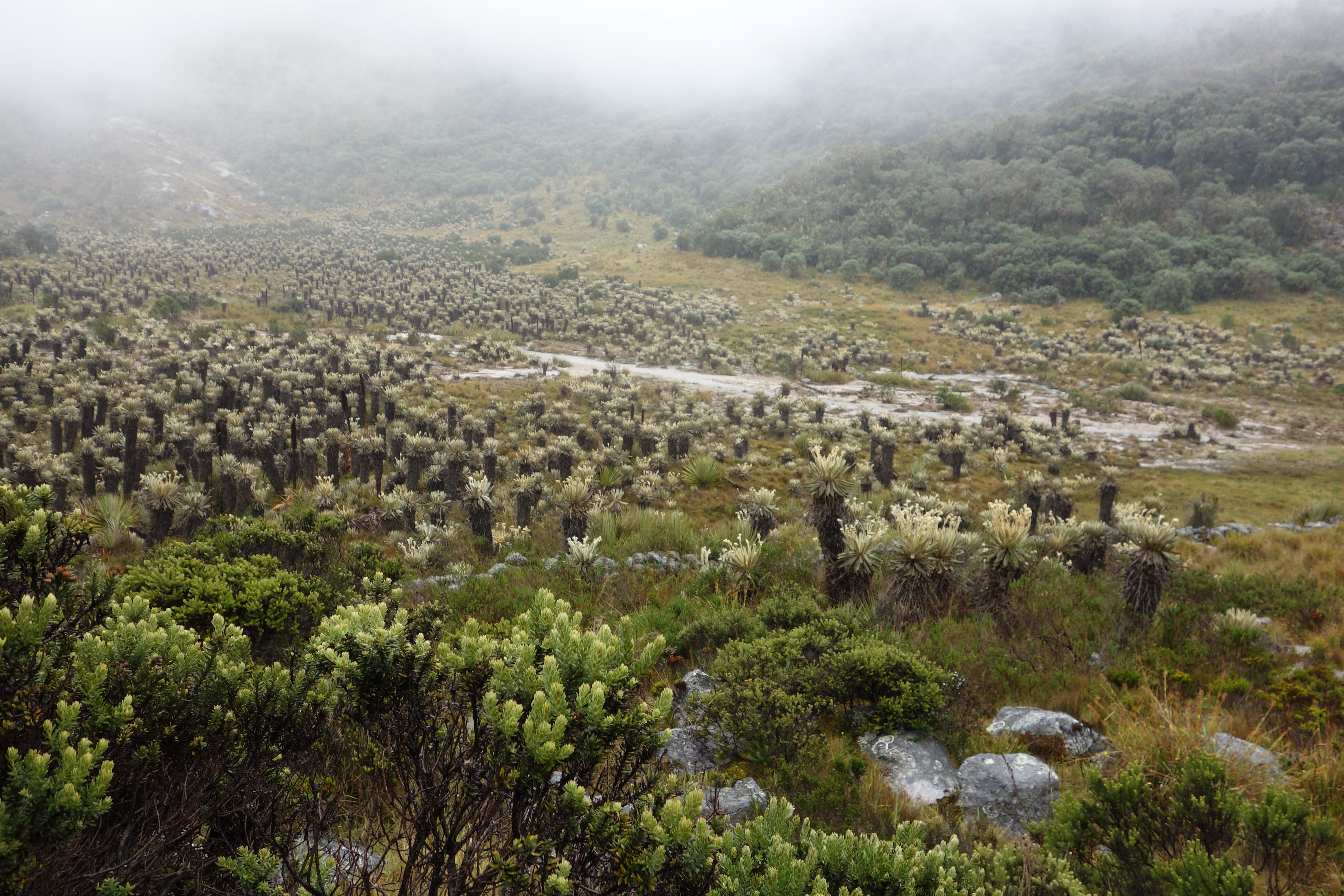
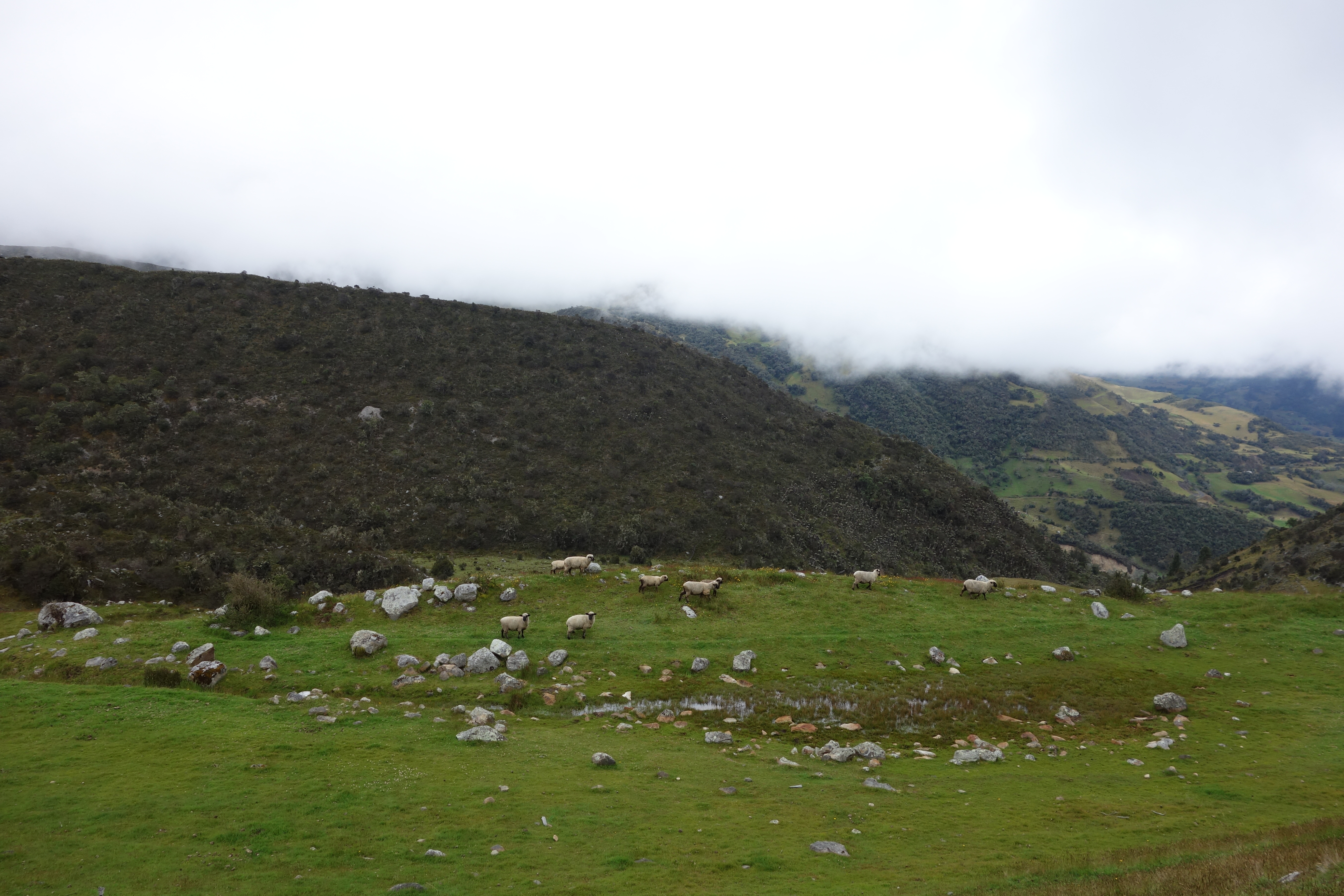
We arrived at the town of El Cocuy the day before my birthday and hours before the World Cup final, which the guide company graciously let us watch – into overtime, no less! – after we had completed our paperwork. With the next day’s weather looking questionable, K made the wise call to delay our official hikes by a couple of days. This also gave us some time to get acclimated and explore the surrounding area located outside the park but hardly less beautiful. Sure enough, a short hike the next day began with picturesque, crisp weather as we hiked through storybook sheep-filled farms and fields of endemic Espeletia, an incredibly unique plant that grows only a centimeter or two a year. It ended a couple of hours later with all three of us (Arya more so than even the two humans) soaked to the bone from the cold drizzle that had moved in, which is not easy to shake when returning to a home whose temperature matches that of the outdoors and with limited space for everyone to dry off. After a while, we recovered enough to enjoy a birthday dinner and movie, and I was grateful to not be even more exposed in the high climes of the park.
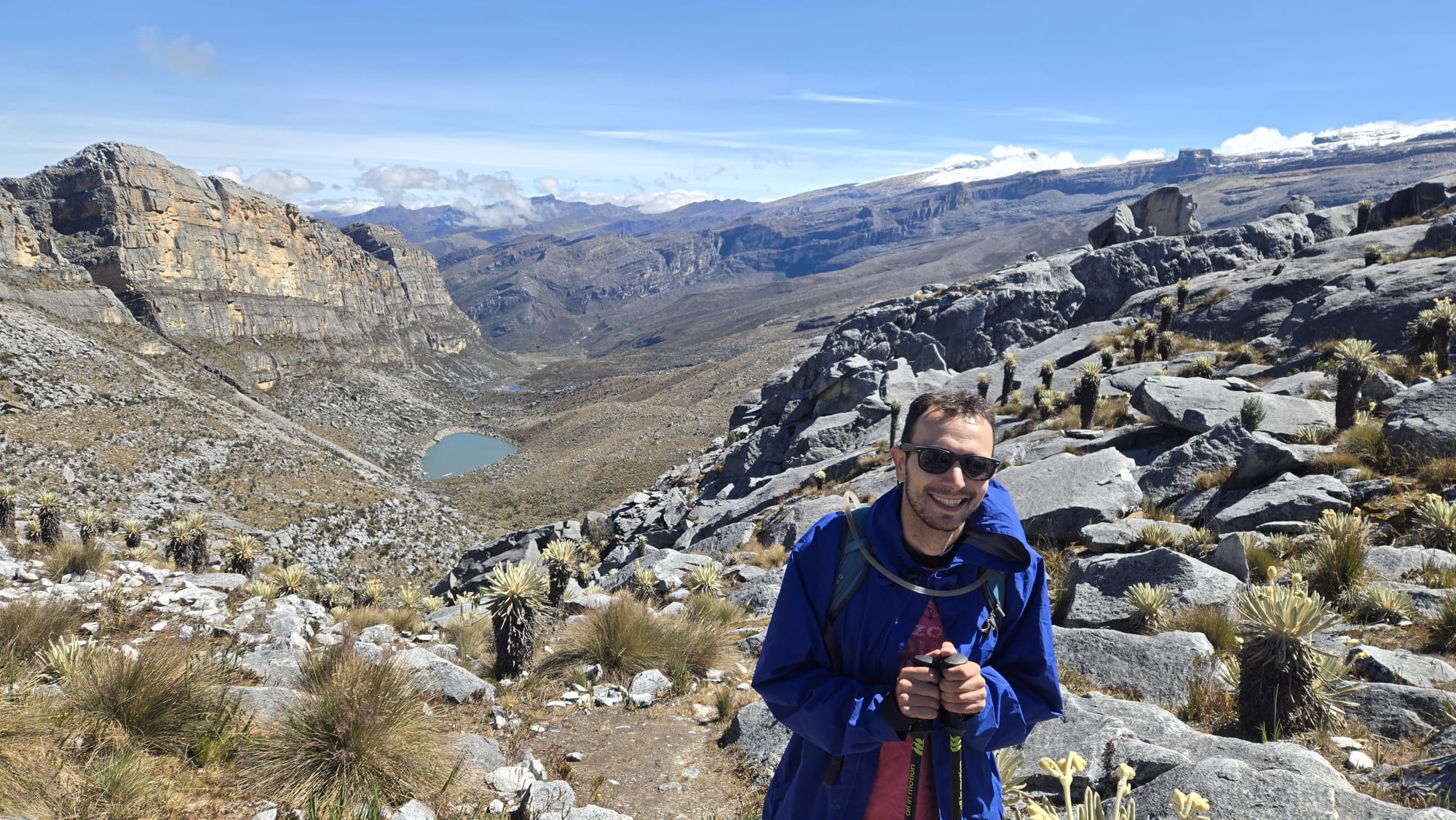
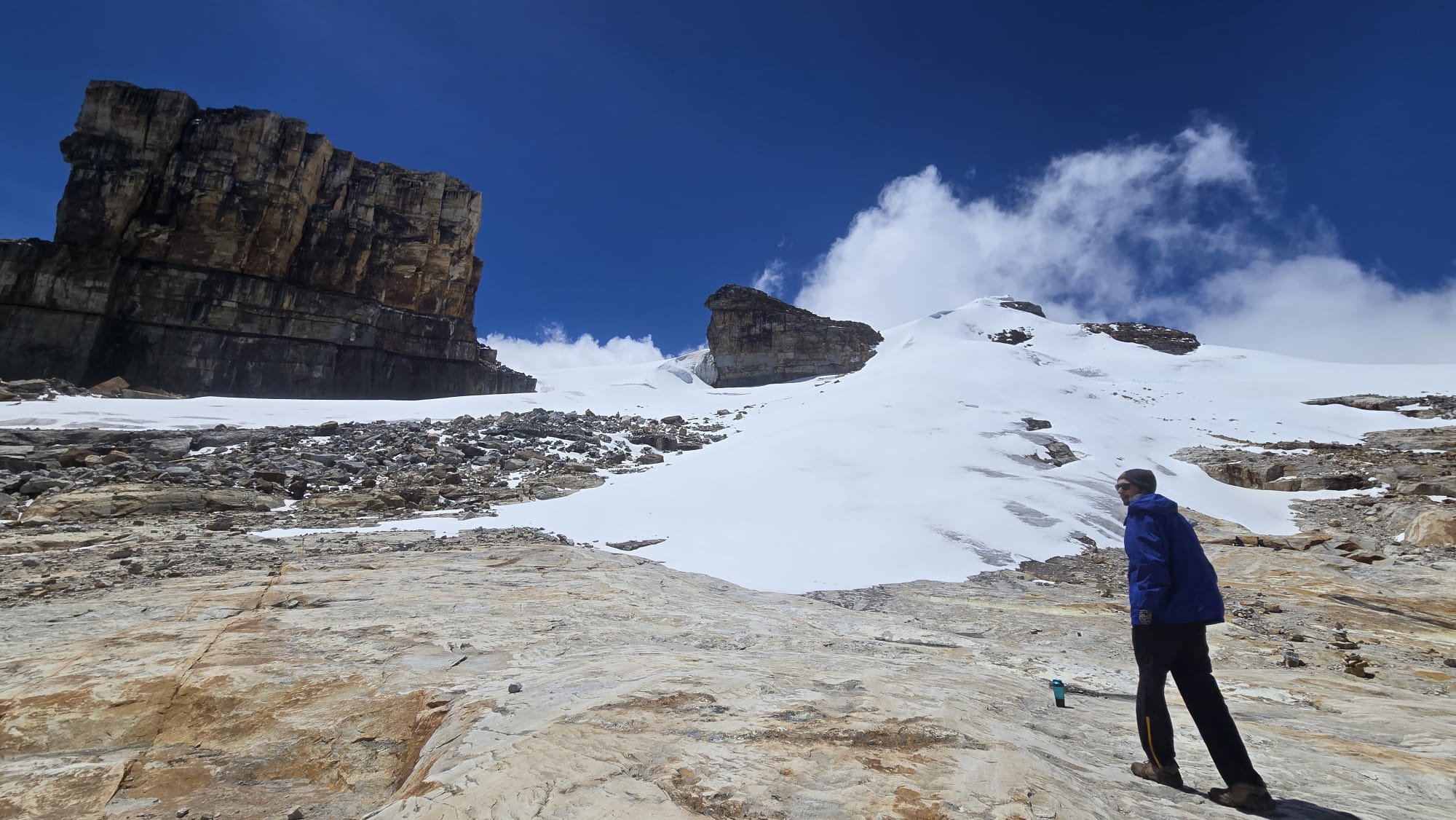
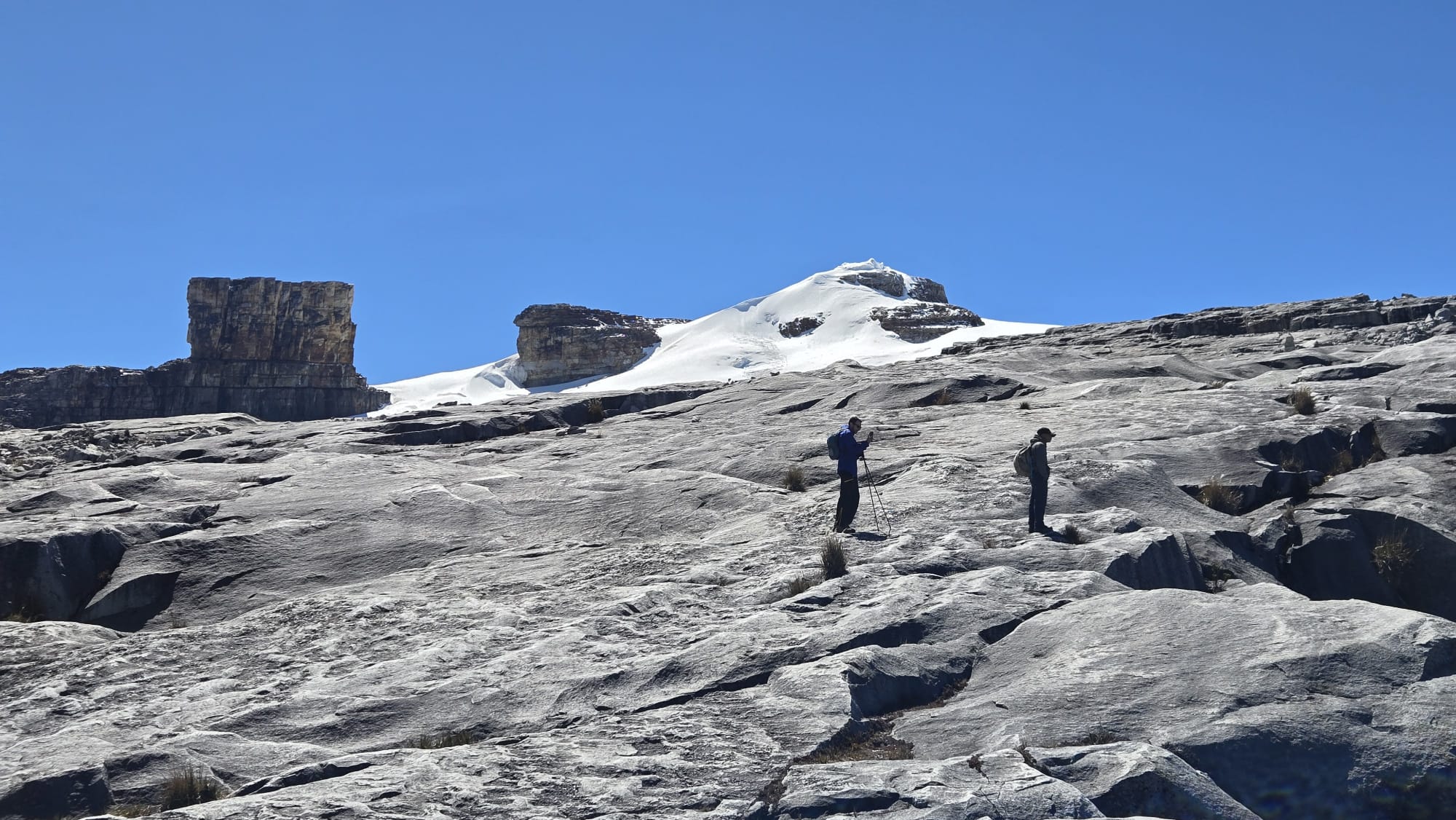
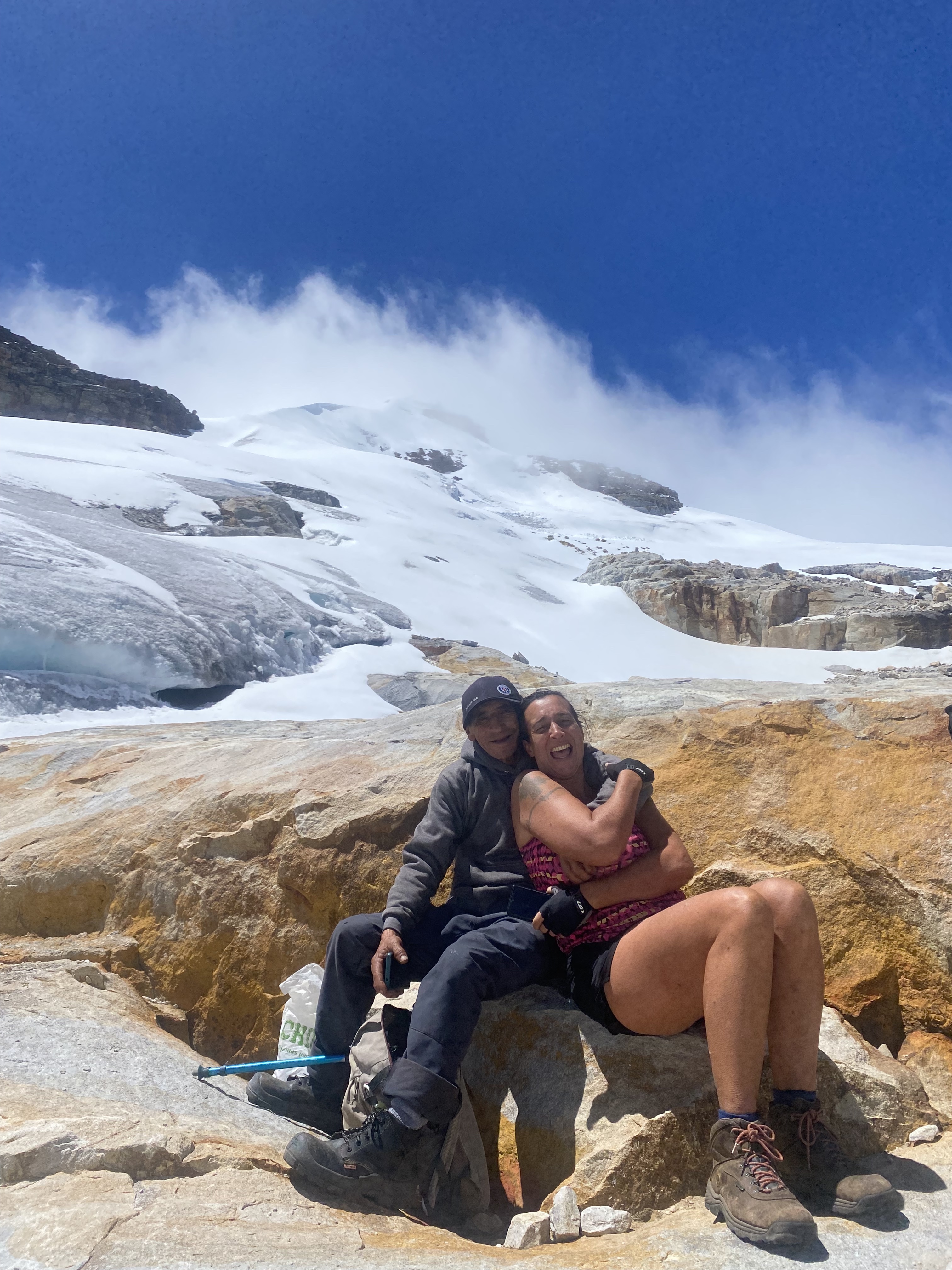
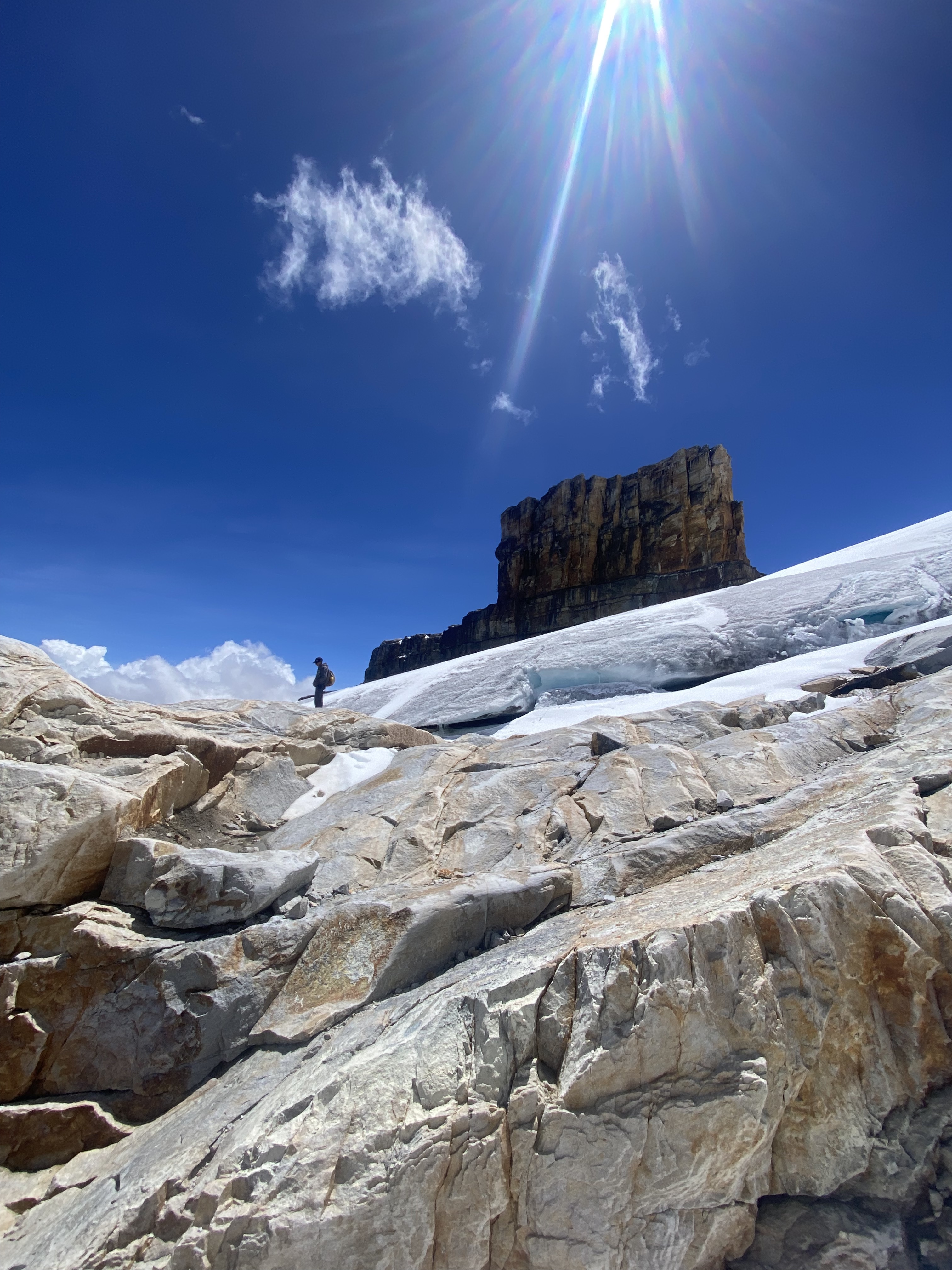
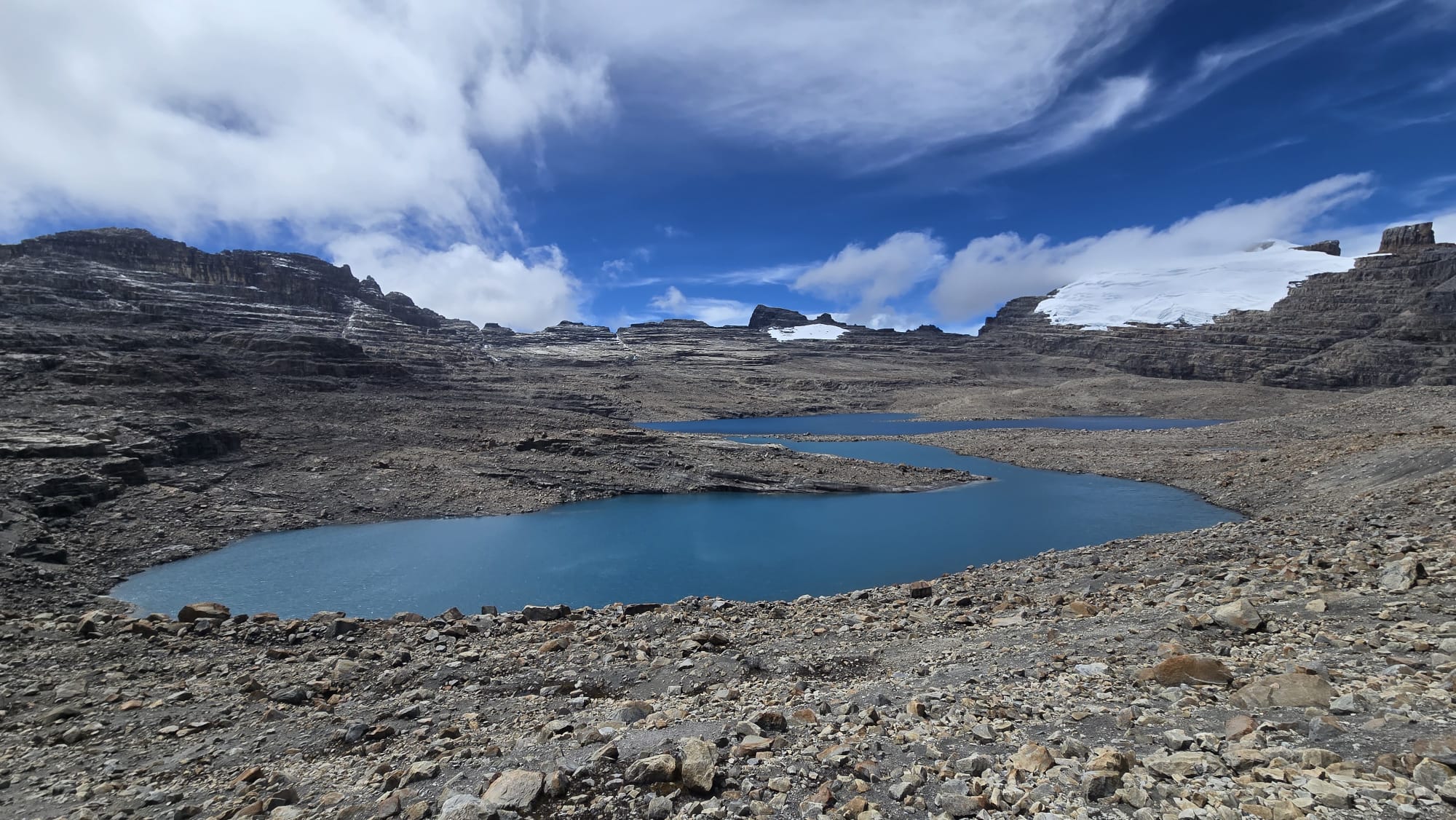
Two days later, K and I took off at five in the morning to begin our first official hike to El Pulpito del Diablo, a distinctive mesa-like rock jutting close to 100 meters above the Pan de Azúcar glacier. After a relatively quick jaunt a mile plus into the valley, we soon reached the reason Vrinda thinks I’m crazy: a two-mile stretch where the average angle of ascent exceeded 20 degrees. K repeatedly apologized for her slow and steady pace (but really the speed discrepancy comes from my spider legs), but we made steady progress up the rock slide trail with views that became increasingly more spectacular. We were both extremely grateful for the clear skies, allowing us to see well across the entire Eastern Andes range. Upon reaching the glacier’s edge, we enjoyed a well-deserved lunch and took in the impressive (but fast-retreating) glacier and the Pulpit towering over it. We returned in the afternoon exhilarated by the spectacular beauty and also completely wiped, grateful for the daal that Vrinda had prepared for us. Both of us slept well that night and rested the next day to get ready for our second hike the following morning. Laguna Grande de la Sierra was not nearly as steep, but perhaps more challenging, in part due to its length and especially because of the wind we faced at the top. By the time we reached the vast mountain lake, the steady gale whipping over the water forced us to take cover behind boulders and in caves, only emerging to take quick photos and videos of the amazing peaks and glaciers surrounding the deep blue water (Pulpito stood watch over the south end). While the wind definitely made the destination a bit less pleasant than our first hike, we were still grateful for the clear skies that kept us dry and allowed us to take in some of the most spectacular and unique scenery I’ve ever seen. Cold, wind-worn, and exhausted, I couldn’t have imagined a better way to ring in my 30s and cap off the first of many adventures we can look forward to in the Andes.
Comments