We know that climate change has increased the frequency of natural hazards, how the temperature is dramatically changing in some regions, and resulted in unforeseen consequences to the natural environment - this includes our coffee.
Clark and I took a coffee tour on a farm in El Salvador. It was just the two of us with it being a weekday and all, which meant we could ask all kinds of questions. As we walked along the machinery and the grounds to store the coffee cherries, wash them, dry them, and sort them in various ways, we heard the challenges that the farm was facing due to a changing climate. The months of November to April are typically the dry months. The months when the coffee beans are harvested and then left outside in the sun to dry (for free) before roasting. Now though, January/February might bring rain, which can be unpredictable, and farmers rely on weather forecasts to get the beans to safety before rain hits. When that happens, they need to dry the beans using machines and lots of wood and energy. One machine is out of commission because it was built in Buffalo, NY in the 1930’s and is expensive to repair, if repairs are even possible at all. The other machines work just fine but use a lot of energy and go slowly. Too slow to accommodate being used heavily, which is what would be needed if it continues to rain more and more during the dry season. The entire coffee cycle, from the growing to the harvesting to the processing, is so weather-dependent that coffee sommeliers can tell what beans were harvested at different elevations, seasons, locations, and drying patterns. A delicate balance that is getting thrown out of whack, along with so many other things on this planet. And if there’s one thing I bet most Americans could agree on, it’s that they don’t want anyone messing with their coffee.
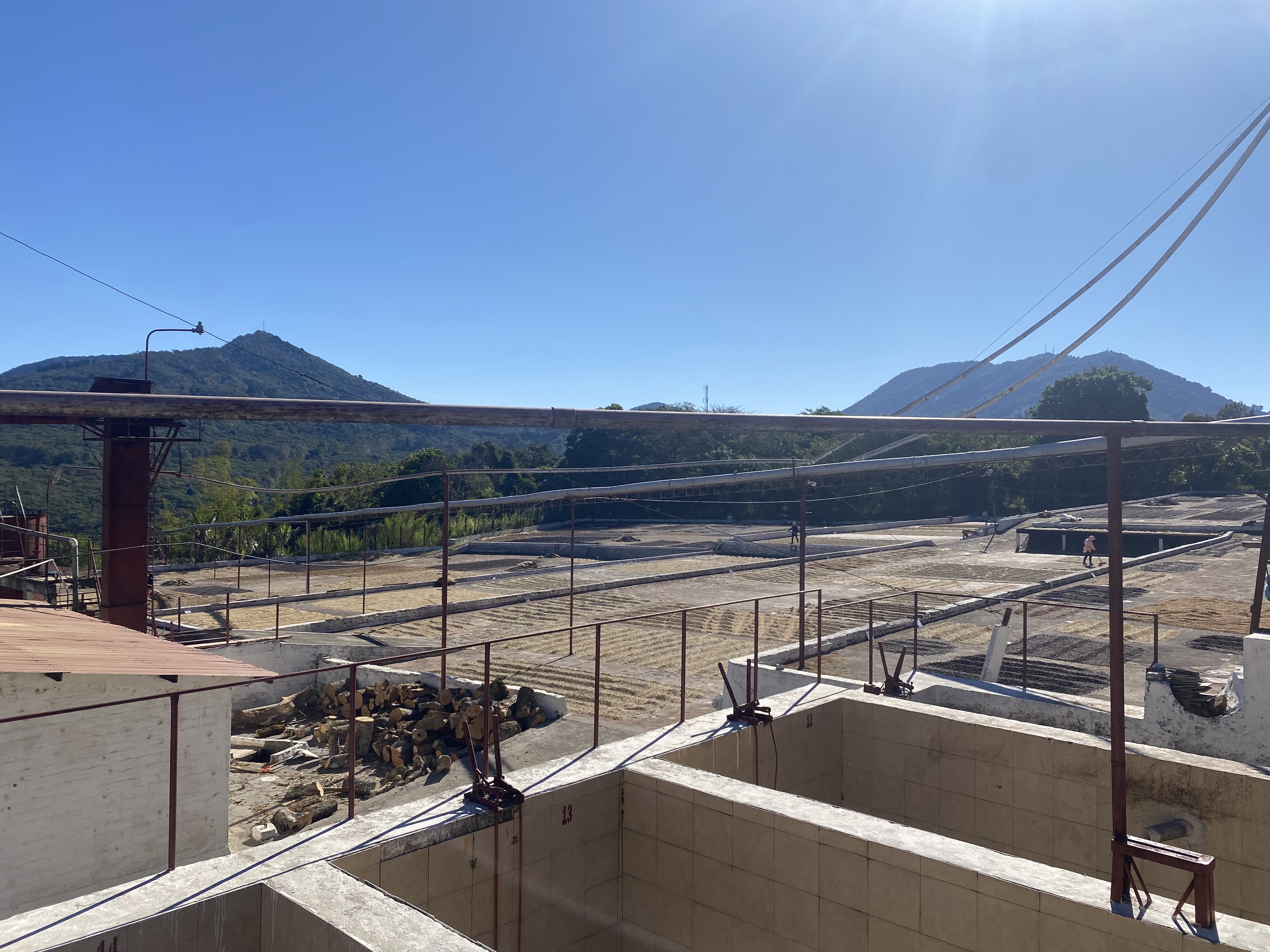
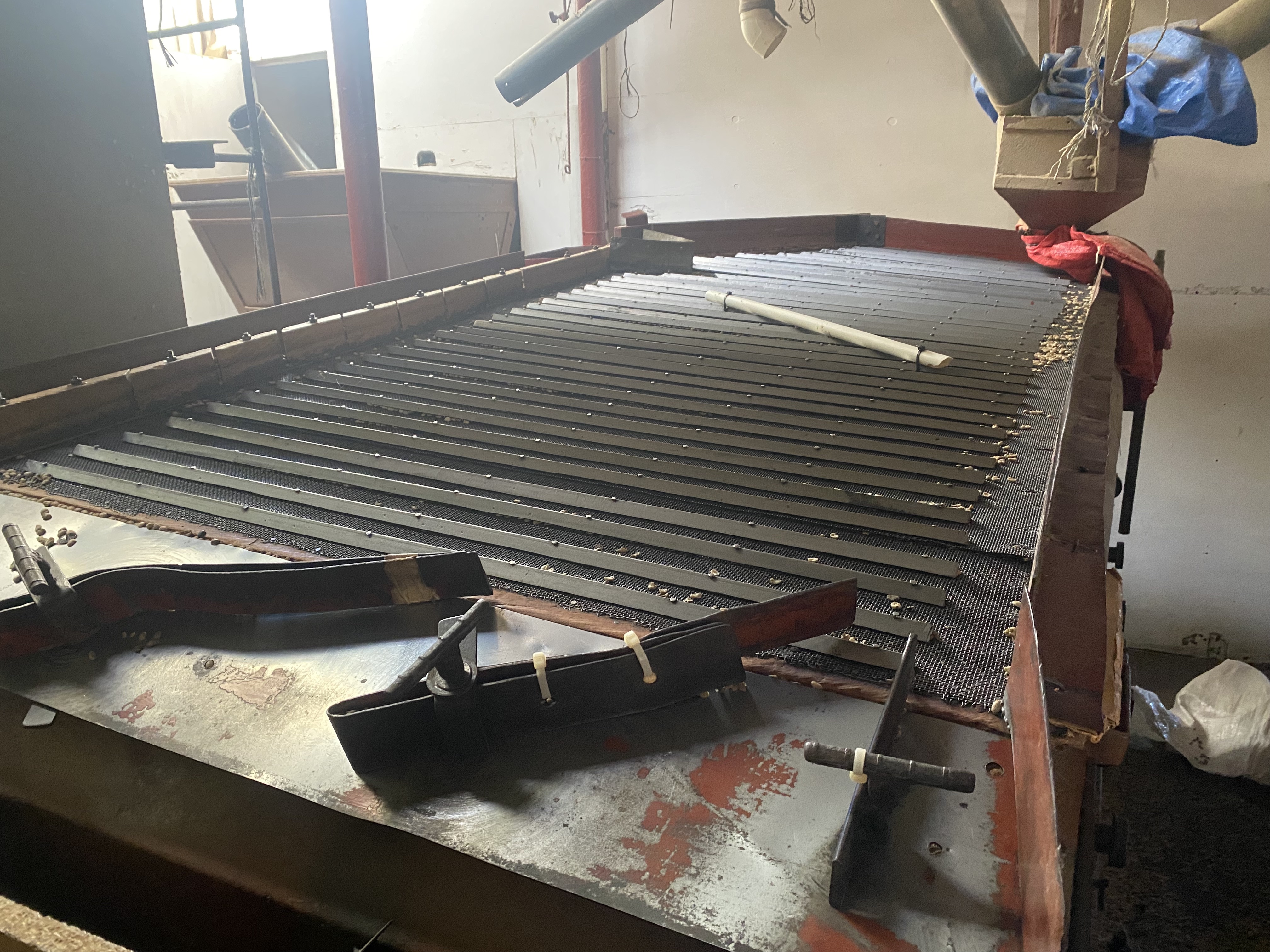
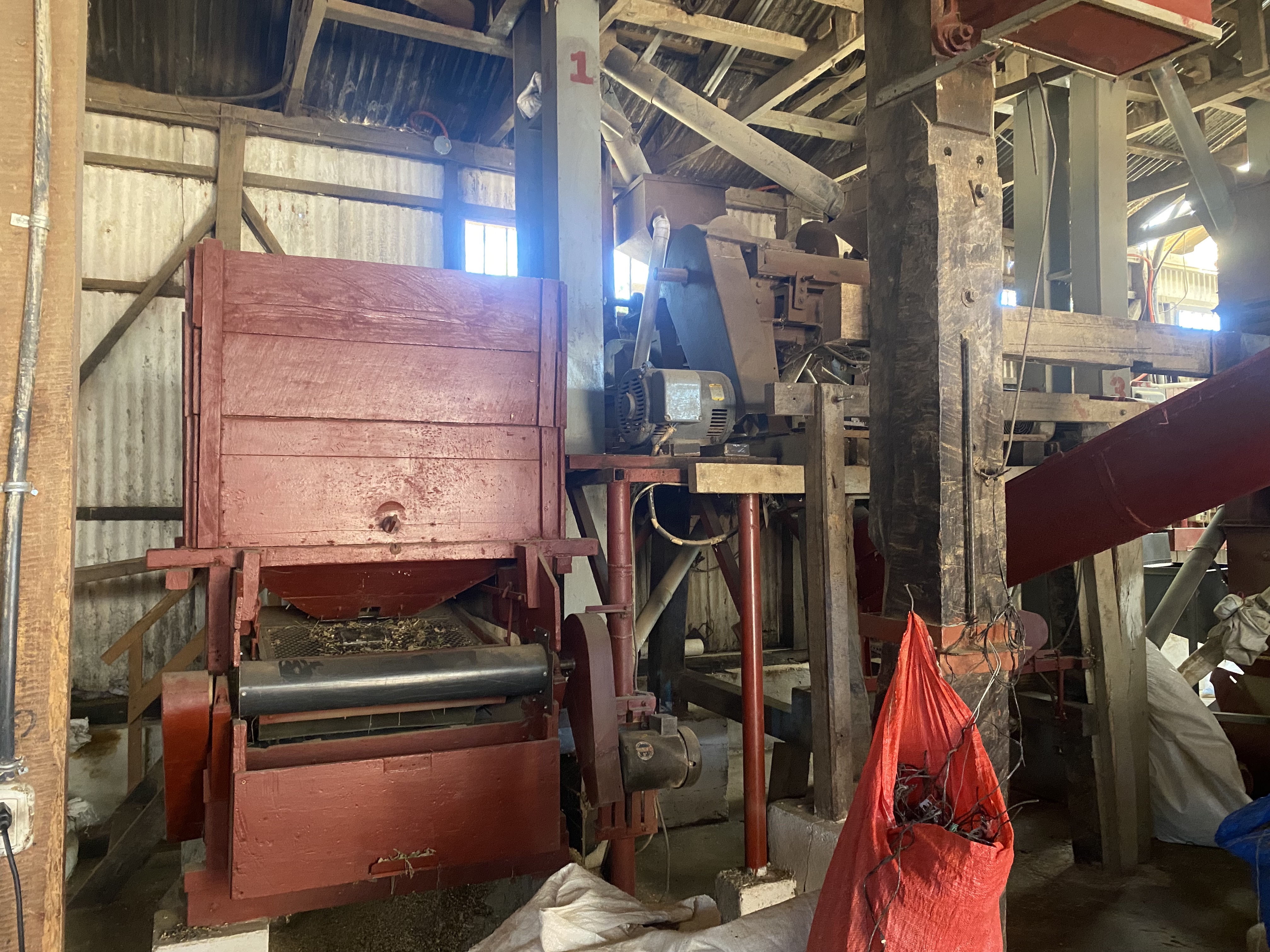
Soft matter science is intense at a coffee farm, as it is used to sort the beans multiple times throughout the process. They initially sort the cherries by weight using water in a machine so that the lighter cherries float and the heavier cherries sink and exit the machine. These are the cherries we want for coffee. Next, the cherries are dried with either none, one, or two layers of skin removed leading to various notes. Then, more sorting. The first is a machine that vibrates off the dry skins and the dried skins (airy) stay at the top while the beans (heavy) fall down. Next, they vibrate the beans vertically to sort by size, with gaps of varying widths to parse the beans to the nearest millimeter. Last, they vibrate the beans horizontally with a slight incline and air blowing up to sort by weight, which helps to remove empty beans; the heavier ones will fall faster, while the lighter empty beans will get pushed up to the top by the air and the accumulation of heavier beans below. Finally, the beans go through an assembly line where workers manually grab any remaining bad beans, which they’ve learned to identify through the years on the job. All sorts of machinery are used to sort the beans by weight and size to get only the highest quality, which results in only 20% of the entire harvest making it into your coffee pot at home.
Comments