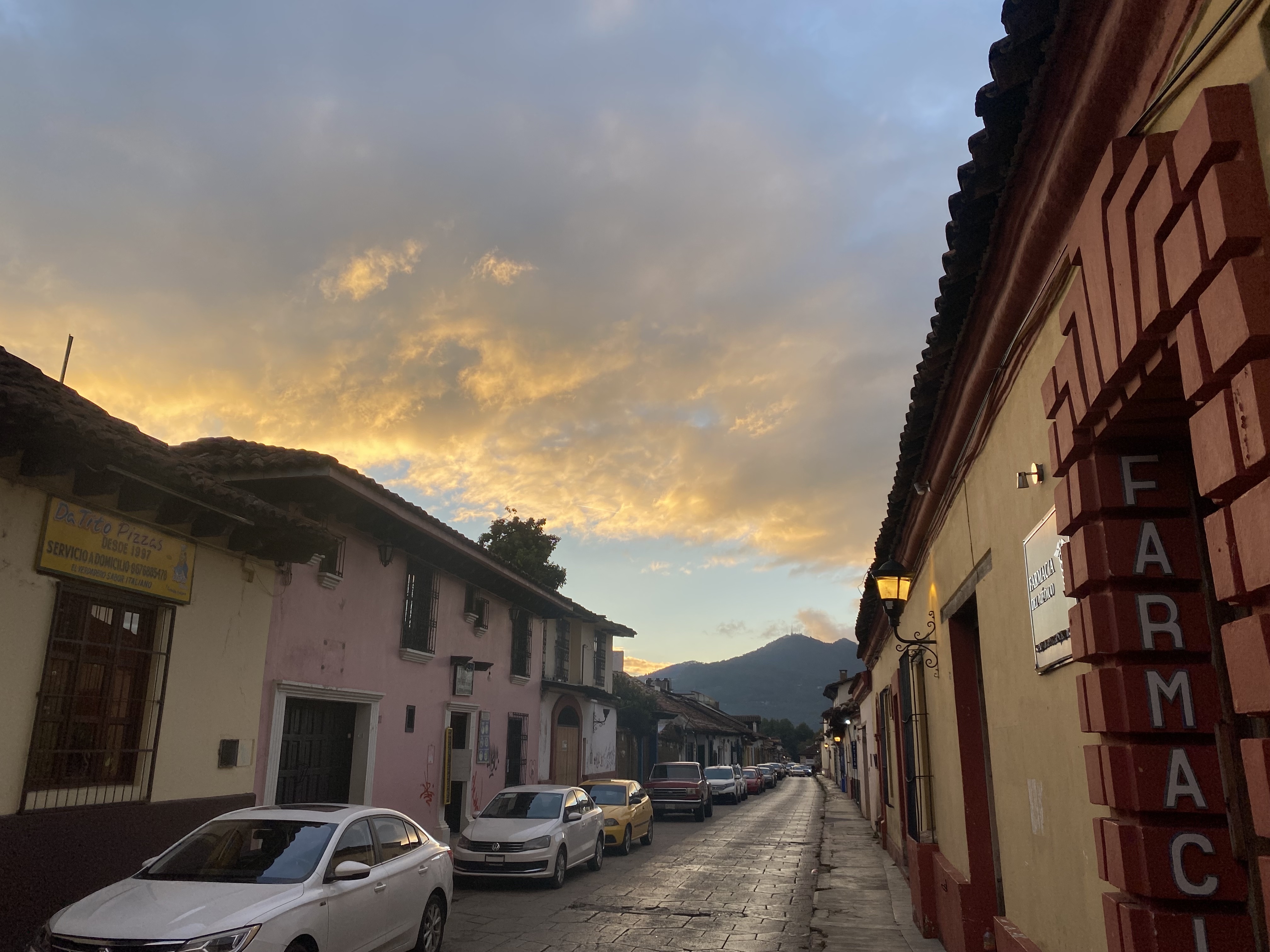
Ah, the highlands of Mexico. You have our heart. Spending the last couple of weeks in San Cristobal de Las Casas gave us a taste for what vanlife could feel like if we weren’t always rushing off to the next stop. This is our goal. The calm of a slow morning with a freshly made coffee (thank you Matt for our setup). Settling into a routine of “work” that is challenging but fulfilling, with Vrinda coding up a webpage with features and maps and posts and Clark writing said posts as well as some final scientific papers for his PhD. Sometimes this work would occur in the comforts of our home - no matter how small the space is, we have found a way to make it cozy - and sometimes at a very cute coffee shop. The afternoons were spent exploring the city in various ways - walking tours, museums on Mayan textiles, orchid gardens, and live music to name a few. We were very content. There was no need to pack up the car and drive somewhere every day or two. To determine if the place where we parked is secure and safe for sleeping and leaving it unattended. To sit in the car and be at a new place that is unfamiliar and new. We got to be comfortable in our home, to develop a routine, and to become familiar with San Cristobal.
This town is somewhere that we could see ourselves living in for a while. There’s a mix of culture and music and food and coffee shops, and it is not too big and not too small. In many ways, it reminds us of Asheville, NC; a gorgeous mountain setting surrounding a rapidly growing town (the population has grown from 30K to 250K in the last 50 years) with a vibrant food and coffee scene, focus on adventure tourism, fun music, and a strong hippie/leftist lean.
San Cristobal already had a good claim to becoming a van favorite - pun intended - when we were able to enjoy a special treat on the first night we arrived; a hot shower!! By our count, this was our first truly hot shower since leaving the United States. Our van has no water heater (too much power draw) and previous campsites where we had stayed that advertised “hot showers” had generally been found lacking: with water only heated by the sun in large rooftop tanks, these were lukewarm at best (and several times downright cold). Our hot shower was courtesy of a local hostel (Hostal La Casa de Paco) which was kind enough to let us enjoy using their facilities and beautiful courtyard while we parked in front of their building for several days. After the heat of the past week, we were grateful to get a deep clean and fell asleep early that night, only to be awoken by police sirens and lights…
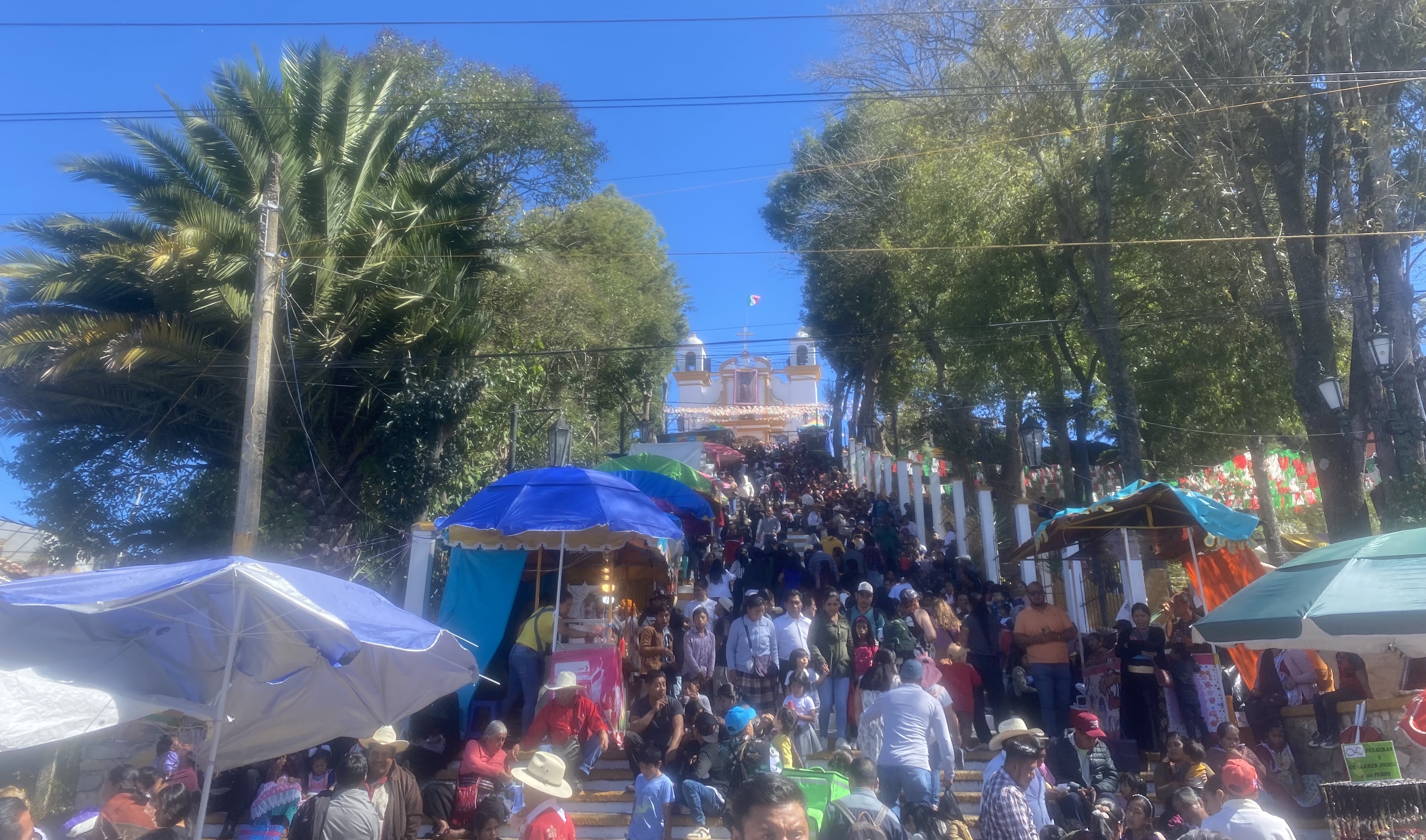
Which were not actually police at all. Instead, a small parade proceeded just a foot outside our window, and we tried to subtly peer over our curtains to watch (at least one person made eye contact, oops!). It turns out that just about anyone can purchase sirens and flashing lights in this part of the world. These are particularly common for trucks leading caravans/parades and for taxis trying to attract customers, or maybe just to jump ahead of apprehensive tourists (and this definitely works, even a month in, they are pretty disconcerting). In the morning we asked our hostel host what occasion warranted celebrating and he informed us that we had arrived just days before Feast Day for Our Lady of Guadeloupe, one of the most celebrated religious figures of Mexico and especially of San Cristobal de las Casas. Over the next several days we observed many “parades” of varying sizes, as folks from all over the region came to pay their respects to Our Lady and brought their gifts, altars, and presence to the Guadeloupe Church atop one of the hills of San Cristobal. By the time Feast Day rolled around (Dec 12), the town was packed with those celebrating the holiday and those catering to the church-goers, complete with a carnival setup, many food and drink specials, and multiple music festivals.
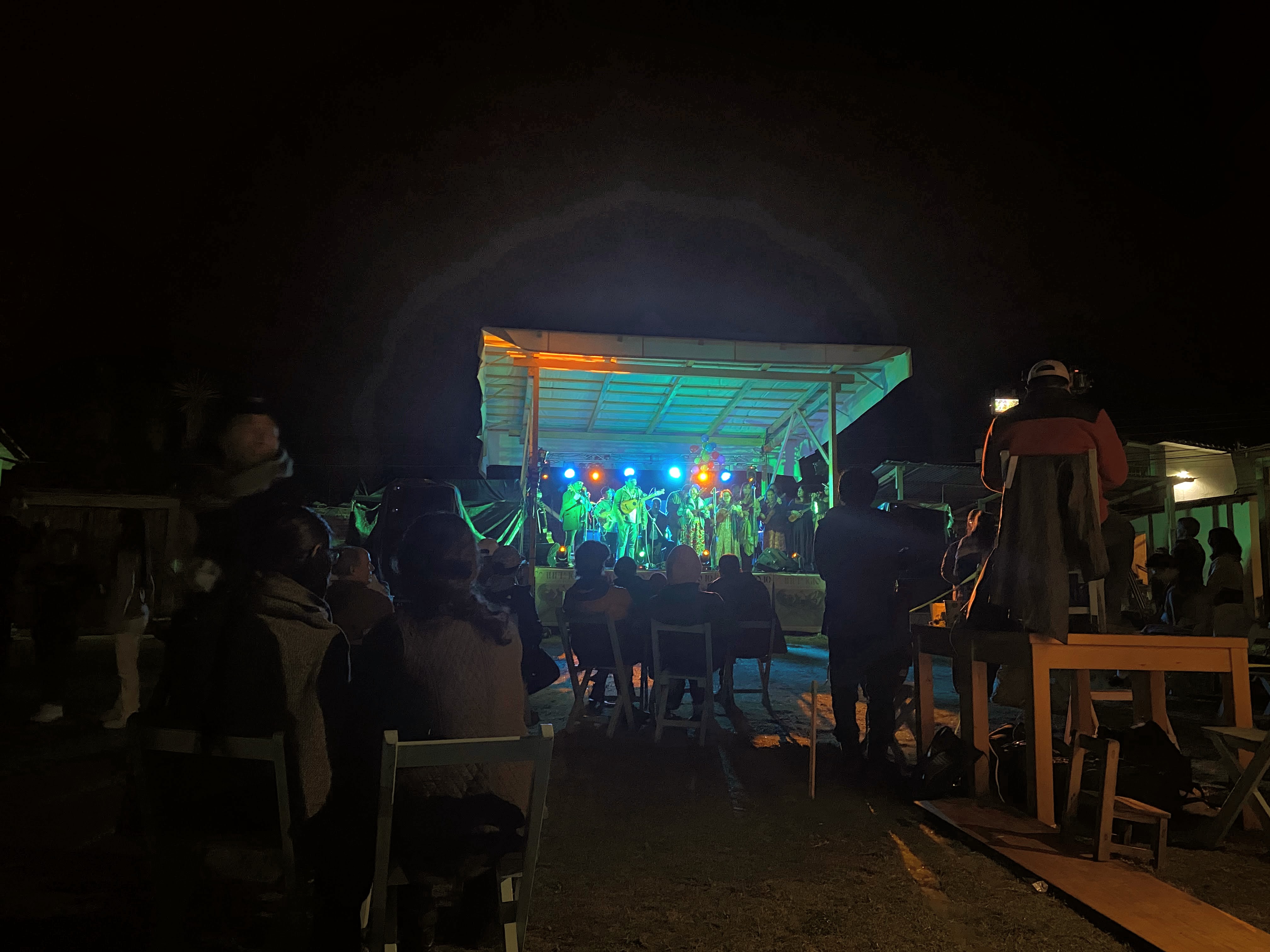
We enjoyed one such festival courtesy of the local brewpub El Naufragio, with acts ranging from slow folk music (heavy on jarana, a ukulele-like instrument) to heavy rock (which we surprisingly liked) to a music-comedy duo that filled intermissions with a range of acts that, while difficult to fully appreciate given the language barrier, entertained both us and the audience with the exploits of a Patrick Bateman-type who seemed to struggle with everything in life - especially the ladies — and his straight-man (and occasional musical narrator) friend that tried to keep him on the right path. By far our favorite act, however, was La Princesa de Jovel. The group was unlike any we’d ever heard before. Headlined by a trumpeter and the marimbist and featuring two bassists and a drummer, you’d think the combination would sound discordant; instead, the instruments worked in harmony to provide a steady jazz-like beat while highlighting one musician’s riffs and then another’s. We were not the only ones entranced, as the group clearly had a cult-like following with multiple cries for ‘Princesa’ at musical interludes and several hundred concert-goers vibing, swaying, and (a small few) even moshing in the front.
The festival also included several booths dedicated to indigenous rights and resistance, a movement that undergirds a lot of San Cristobal’s uniqueness and spirit. Within the state of Chiapas, around 1 million residents speak indigenous languages, most of them of Mayan origin. Thirty years ago the state was the center of the Zapatista Uprising (AntiCaptalist Resistance, 2024), and that spirit of resistance and defiance was felt the entire time we were in the city, from “Resistance is Not Terrorism” stickers at the festival, RBG and Nelson Mandela quotes along the streets, and even our walking tour guide’s narration of the city’s history and present. For many, San Cristobal de las Casas represents both a center for the surrounding indigenous communities and a place where the effects of tourism (both good and bad) might amplify or dampen their message.
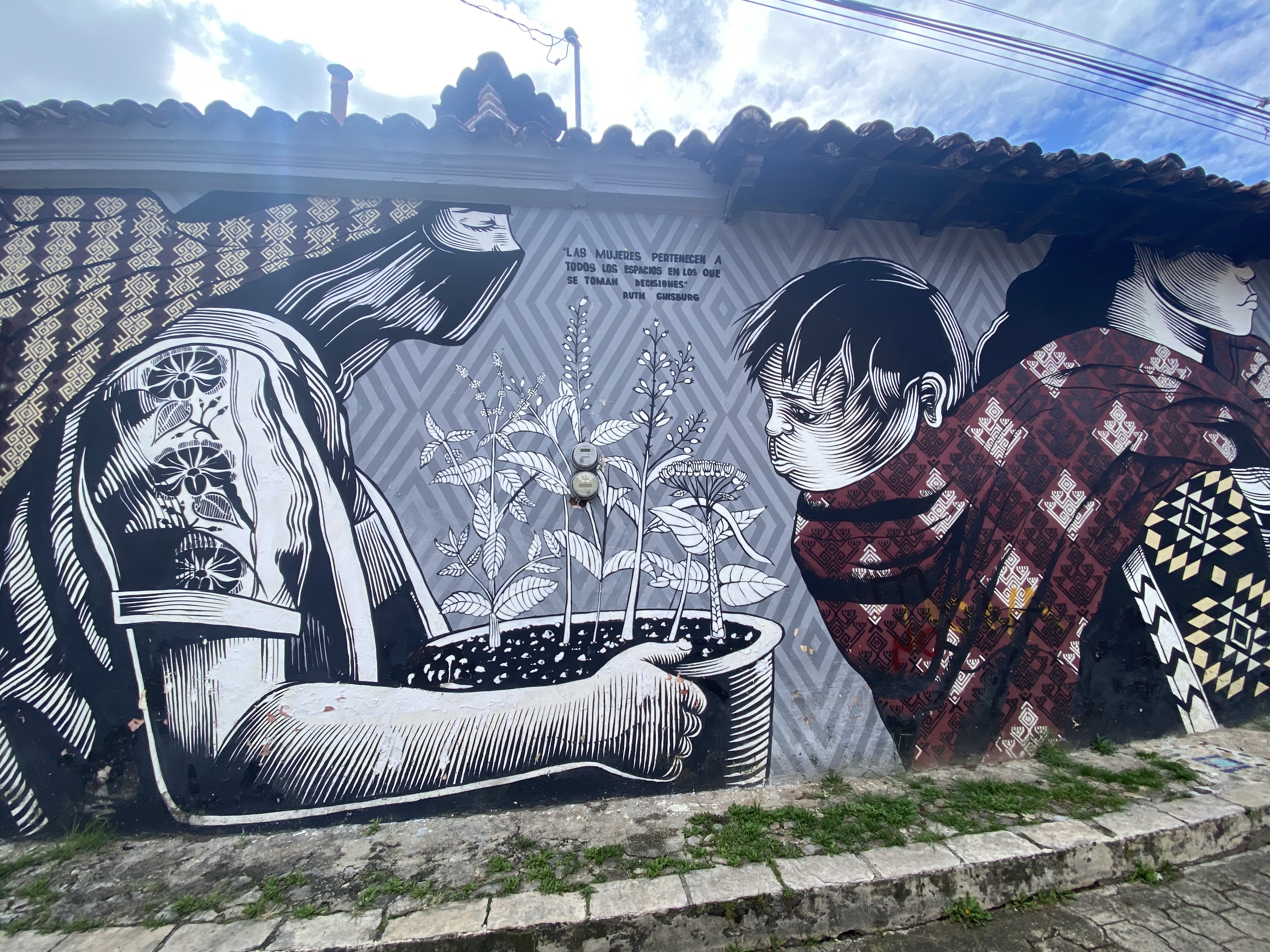
- Ruth Bader Ginsburg
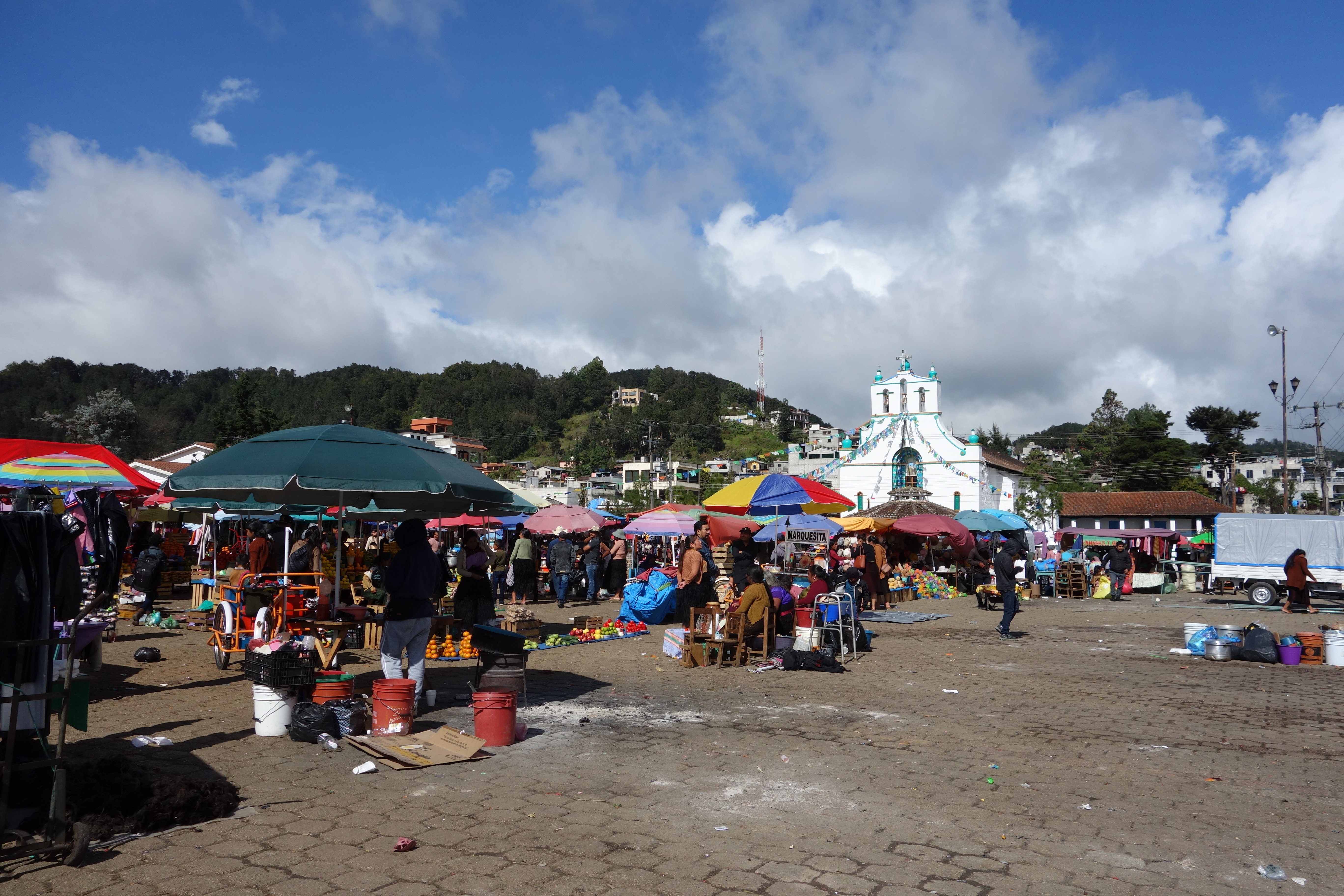
In addition to San Cristobal, we were lucky enough to spend a day in San Juan Chamula, a town with an even deeper blend of indigenous and Mexican tradition. Nowhere is this more evident than the church at the center of town; Catholic by definition - like the vast majority of Mexicans, courtesy of the Spanish - the inside of the sanctuary looked nothing like the iglesias a majority of Catholics would identify with today. Instead of pews facing a pulpit, the ground was littered with straw and candles, many of which were actively burning as folks splashed water, Coke, or alcohol in front of them in prayer (sorry to any fire marshals reading this). Along the walls, nearly a hundred saints and ladies were venerated. In their own way, the people of the town and region took the Catholicism given to them and made it their own, combining and modifying traditions from times before the Spanish to create their own blend of faith. Much like the rest of Chiapas, we felt both the spirit and resistance of humanity bursting through and ultimately leading to the creation of something totally unique.
Comments